Fryer Tuck, Dough Re Mi and the Pun That Wouldn’t Die: Grading Britain’s Doughnut Shop Signs
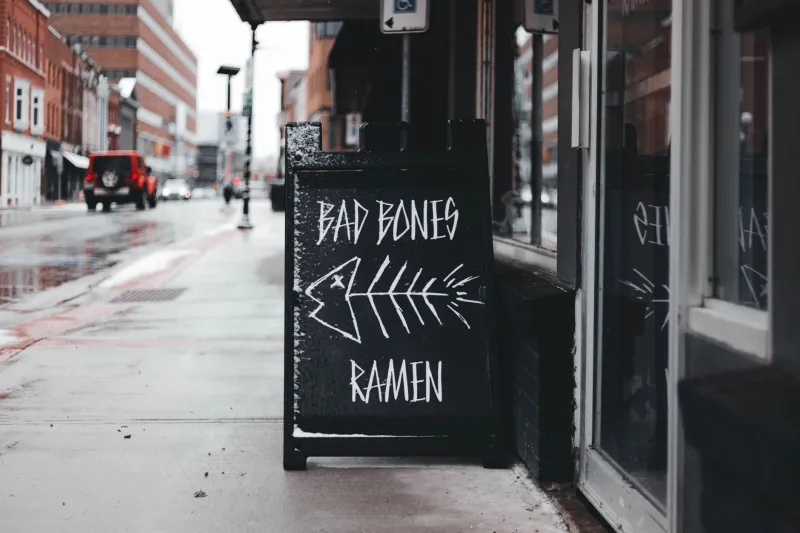
Britain is a country that will forgive a dry doughnut, a lukewarm custard and a paper bag that disintegrates before the bus arrives. It will not forgive a bad pun. That is why the doughnut shopfront is such a tense little theatre: a name like Glazed & Confused works because it admits the condition; a name like Fryer Tuck asks you to laugh and then hand over £3.50 for a ring doughnut with the structural integrity of a damp doily. Over the past fortnight I have squinted at signs from Cornwall to Glasgow, interrogated chalkboards, and accepted tip-offs from people who describe themselves as 'quite into doughnuts'. Names have been lightly disguised where the owner was visibly tired. The scoring is simple: wordplay, menu fit, and whether the joke survives a second visit without curdling.
The rules of engagement
Wordplay is not just 'does it rhyme with dough'. It is whether the pun lands before you see the counter. Menu fit asks whether the name promises doughnuts or, accidentally, a chip shop, a wedding venue or a regional bank. The second-visit test is the killer: a pun can be funny once, but if you return a week later and feel a small internal sigh, it belongs in the bin beside the used napkins. Signage legibility was also noted, because a great pun in Comic Sans is still a cry for help.
The opening rounds: Fryer Tuck and the chip-shop confusion
Fryer Tuck is the archetype: a monk, a fryer, a Robin Hood joke that has been sanded down by time. On paper it is solid. In person, it is a shop that smells of doughnuts and yet makes you wonder if there is a hidden menu of chips. That is a menu-fit wobble. Score: 7/10 for wordplay, 5/10 for clarity, 8/10 for the fact that I would absolutely text a friend 'meet you at Fryer Tuck' and feel mildly amused. It survives a second visit, but only just; by visit three you are calling it 'the doughnut place near the bus stop', which is the quiet death of every pun.
Dough Re Mi is the other classic. It is musical, it is obvious, and it is everywhere. The problem is not that it is bad. The problem is that it is the doughnut-shop equivalent of a 'Live, Laugh, Love' sign: technically fine, spiritually exhausted. It scores high on legibility and low on surprise. A second visit produces no emotion beyond a faint awareness that you are humming the scale. 6/10.
The middle bracket: warmth, holes and mild suspicion
Hole Lot of Love is sweet, delivers the ring-doughnut message, and has the advantage of sounding like a village fete stall run by someone called Beverley. It also sounds like a car park. That is not a dealbreaker, but it is a thought. 6.5/10. Dough Not Disturb is punchier; it belongs on a door hanger, not a shopfront, and the second visit test fails because you keep expecting a hotel corridor. 5.5/10.
The Daily Glaze is where things get baffling. It is not a pun. It is a newspaper for people with a sweet tooth, or possibly a newsletter about icing. The sign looked smart, the doughnuts looked good, and yet the name gave me nothing to hold on to except a vague urge to cancel a subscription I had never taken out. 4/10. This is the danger of the sensible name: in a market full of fried-wordplay, being straightforward reads as a missed opportunity.
The dark horses: Custard's Last Stand and Lord of the Rings
Custard's Last Stand is the one that does actual work. It is a history joke, a filling joke and a shop sign that tells you exactly what to order. It also has the best second-visit energy: you can say it out loud without feeling like a children's entertainer, and the pun does not rely on a single doomed syllable. 8.5/10. It wins the clarity prize because, unlike half the entries, it contains a noun you can eat.
Lord of the Rings is a close second. It is a ring doughnut pun, it is a film reference, and it makes the shop sound like it has a quest-based loyalty card. The only issue is legal: you half expect a wizard to appear and ask for a licensing fee. 7.5/10. It survives repeat visits because the joke is broad enough to become wallpaper, and wallpaper is what every good shop name eventually becomes.
The tip-off from Leeds
A reader in Leeds sent a photo of a sign reading 'Doughnut Stop Believin’', with the apostrophe missing and a pigeon on the O. That is not a name; that is a cry for help. I score it 3/10 for punctuation, 7/10 for effort, and 10/10 for the pigeon, which had clearly understood the assignment. Another tip-off from Cardiff described a shop called 'The Hole Truth'. That is a strong pun and a better headline than most newsrooms manage on a Tuesday, but it scores only 6/10 on menu fit because it sounds like an exposé, not a snack.
The final
So we reach the bracket final: Fryer Tuck versus Custard's Last Stand. Fryer Tuck is funnier for the first ten seconds; Custard's Last Stand is the one you can live with. The winner, and the least confusing fried-dough pun in Britain, is Custard's Last Stand. It is clear, it is daft, and it tells you there is custard inside. That is more than most shop names manage, and more than most doughnuts deserve.
The real lesson is that a doughnut shop name is a contract. Promise a pun, deliver a doughnut. Promise a chip shop, and I will arrive hungry, confused and slightly cross. In 2026, with pastry prices doing what they are doing, the least a shop can do is make the sign earn its keep. If the pun cannot survive a second visit, neither can the queue.