Sugar, Sand and the Last Paper Bag: A Defence of the Seaside Doughnut Van
Photo: seaside doughnut van hot doughnuts paper bag UK, via tourinplanet.com
Seaside doughnut vans are not a trend. They are a public service. You will find them at the end of a promenade, beside a car park, under a striped awning that has seen better decades. The sign says HOT DOUGHNUTS. The queue says everything else.
The smell arrives before the van: hot oil, sugar, vinegar from the chip shop next door, and the faint brine of a sea that is probably further away than the seagulls suggest. You join the queue because you are on holiday, and because the paper bag in the hands of the person ahead of you looks like the best thing that has ever happened to anyone.
The Van at the End of the Promenade
The seaside doughnut van is not a restaurant. It is a hatch. It is a small, steamy kingdom of stainless steel, sugar and cheerful efficiency. There is a machine that does something mysterious with rings of dough, a tray of sugar, and a person who has seen every kind of tourist and has decided to be nice about it anyway.
The doughnuts are made in front of you, which is half the appeal. You watch them bob in the fat, turn golden, and get tossed in sugar while still too hot to handle. The person serving them does not ask if you want a loyalty card. They ask if you want sugar. The answer is always yes.
Why Sand Is a Seasoning
Let us address the sand. A proper seaside doughnut should contain at least three grains of sand. Not a mouthful — this is not a beach picnic — but a whisper. The sand is the terroir. It says: you are here, you are on holiday, and you have dropped your standards in the best possible way.
A doughnut eaten on a bench with a view of a grey sea and a bin full of chip wrappers tastes better than the same doughnut eaten in a pristine kitchen. This is not science. This is truth. The wind cools the outside just enough, the sugar sticks to your fingers, and a seagull watches you with the cold eyes of a professional. You eat faster. It tastes better. That is the deal.
Promenade Turf Wars
Seaside doughnut vans exist in a state of polite but permanent rivalry. The van near the pier thinks the van near the car park is a tourist trap. The van near the car park thinks the van near the pier is resting on its laurels. Both think the van further down the coast is using the wrong oil. There are price wars, queue wars and signs that say 'the original' in a font that suggests a legal dispute.
This rivalry is part of the theatre. You are not just buying a doughnut. You are choosing a side. The seaside doughnut has a history that goes back to the postwar holiday boom, when coastal towns filled with day-trippers, amusement arcades and the smell of hot fat. The doughnut van was cheap, fast and democratic. It still is. The fancy city doughnut shop may have a loyalty app and a flavour called 'burnt honey and existential dread,' but the van has a queue of people in windbreakers and a seagull with a plan.
The Paper Bag: A Lost Technology
The paper bag is the unsung hero of the seaside doughnut. It is not a box. It is not a sleeve. It is a translucent, grease-spotted bag that steams up from the inside and leaves sugar on your fingers. The bag is a timer. It tells you the doughnut is hot. It tells you to eat it now. It tells you that you have about ninety seconds before the crunch gives way to something softer and sadder.
City doughnuts come in cardboard boxes with branding and tissue paper. They are lovely. They are also a bit like receiving a birthday present from a bank. The paper bag is not precious. It is practical. You can fold it, scrunch it, put it in your pocket, or use it to wipe sugar off your chin. It is the only packaging that improves with grease.
The Taste Test: Ring vs Fancy
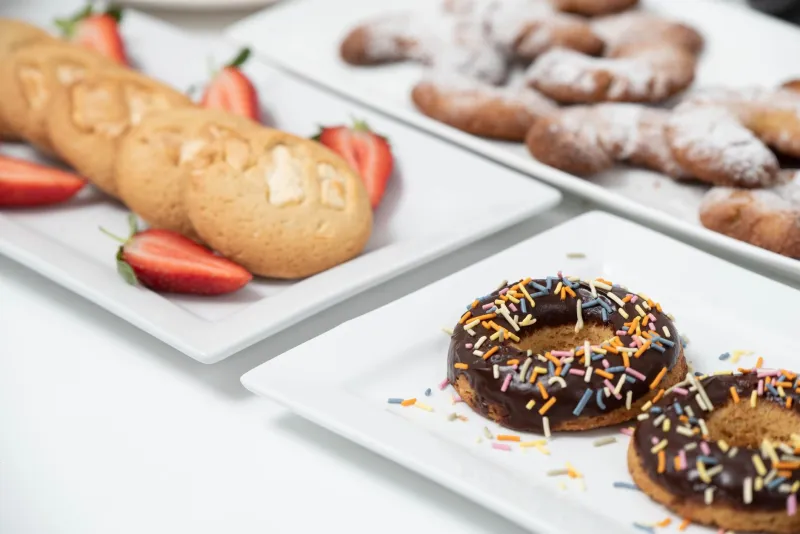
Now for the taste test. The seaside ring doughnut is not trying to be clever. It is flour, yeast, water, fat and sugar, fried until crisp and tossed in more sugar. There is no filling to hide behind. No salted caramel to distract you. No edible flower. It has to be light, hot and structurally sound. A good one shatters slightly at the edge and gives way to a fluffy middle. A bad one is a greasy doughnut-shaped regret.
The fancy city doughnut, by contrast, is an event. It has a name, a backstory and a price that requires a small moment of reflection. It can be delicious. But at the seaside, it is the wrong tool for the job. You do not want a doughnut that needs a napkin and a tasting note. You want one that leaves sugar on your coat and makes you walk a bit faster back to the arcade.
Verdict: the humble ring wins. Not because fancy doughnuts are bad, but because the seaside doughnut understands context. It is not competing with a patisserie. It is competing with the wind.
The Verdict: Keep It Simple, Keep It Hot
Seaside doughnut vans are not perfect. The queue can be slow. The seagulls are aggressive. The sand gets everywhere. But that is the point. The seaside doughnut is a small, affordable pleasure that has survived changing tastes, rising oil prices and the rise of the artisanal everything. It does not need a rebrand. It needs a paper bag and a bench.
So if you see a van with a faded sign and a queue of people in waterproofs, join the queue. Eat the doughnut while it is hot. Let the sugar fall where it may. And if you get a bit of sand in it, consider it a seasoning, not a problem. That is not a flaw. That is the seaside.